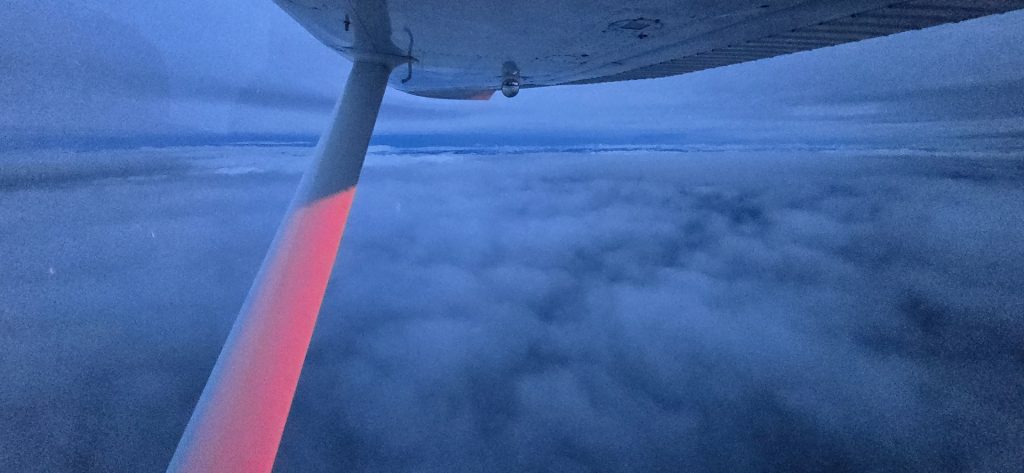
One of the pre-flight checks in general aviation piston aircraft that gets overlooked a lot is a proper check of ALL THREE primary flight controls.
As a flight instructor working with students or long time pilots that haven’t been with me from the beginning, I will often see either a complete lack of checking any flight controls or the pilot just grabbing the stick/yoke and just moving it around in a circle-like fashion and calling it ‘good’. That can be the precursor to an accident, but more on that below…
I recommend always using the “Box Method” for checking the flight controls. This effectively checks for both correct positioning as well as smooth freedom of movement (no catching, grabbing or binding):
- Start with both hands on the yoke (I tell pilots this is the only time they will be grabbing the yoke with two hands) and the thumbs pointing up.
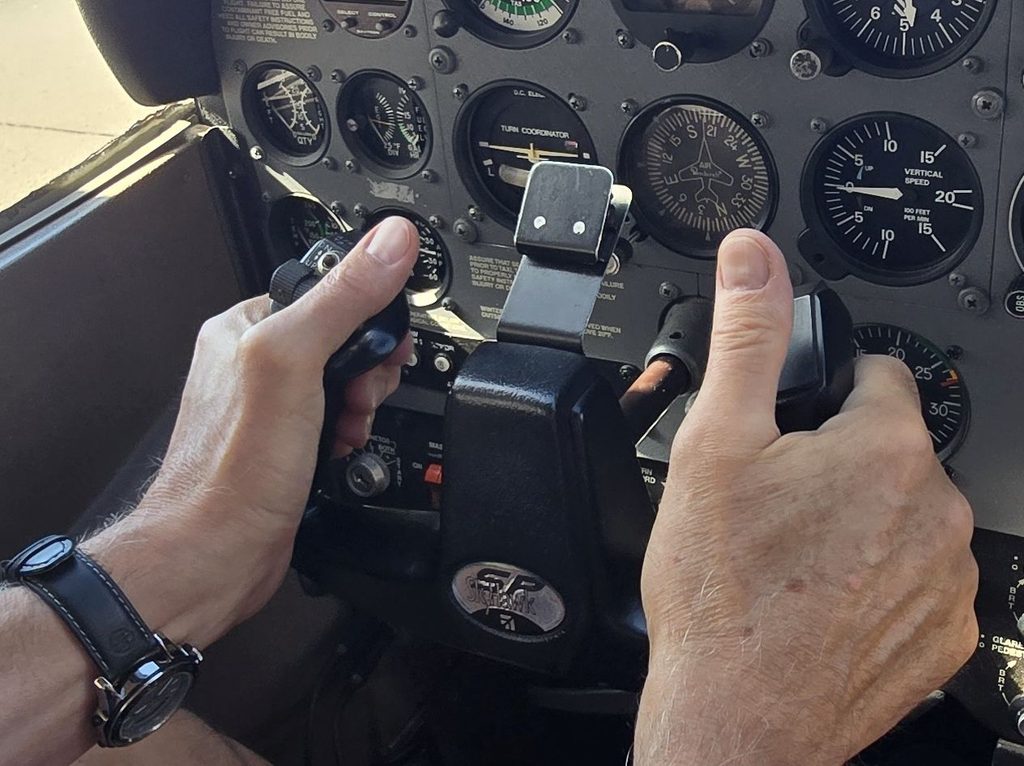
- Rotate the yoke to the left, the ‘up’ thumb is now pointing to the ‘up’ aileron. If the left aileron is up, look to the right and the right aileron should be down (since pilots flying general aviation airplanes will almost always have differential ailerons).
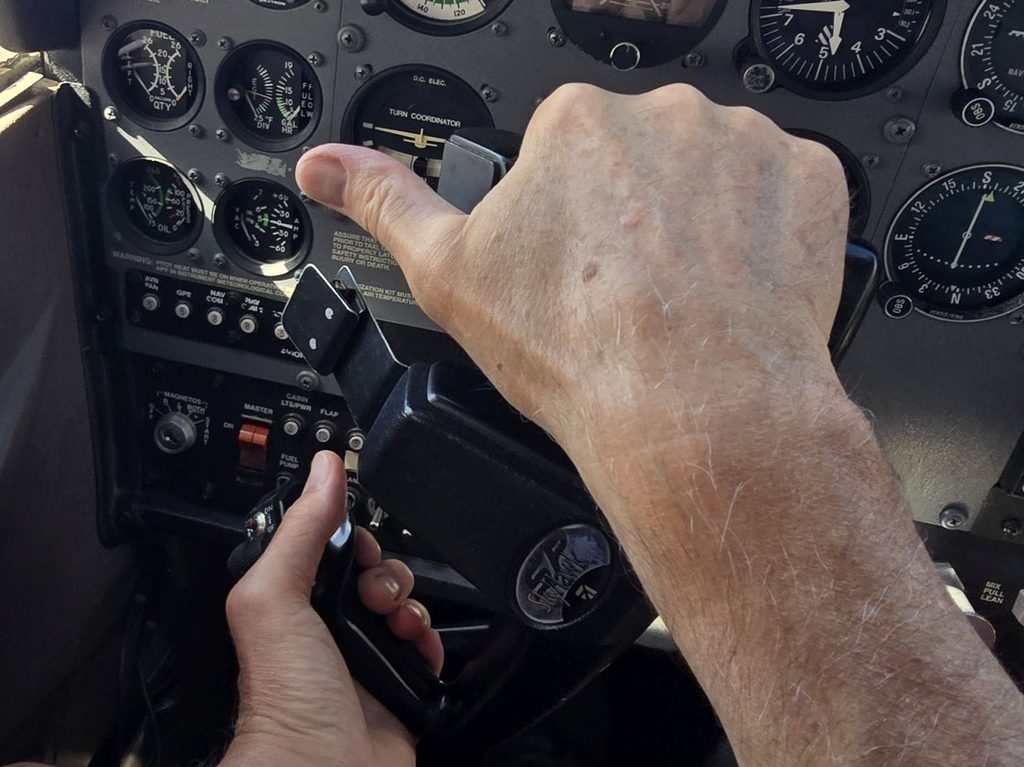
- Keeping the yoke rotated, pull back as far as it will travel and turn the yoke to the right. The ‘up’ thumb is again now pointing to the up aileron and looking to the left, the left aileron should be down.
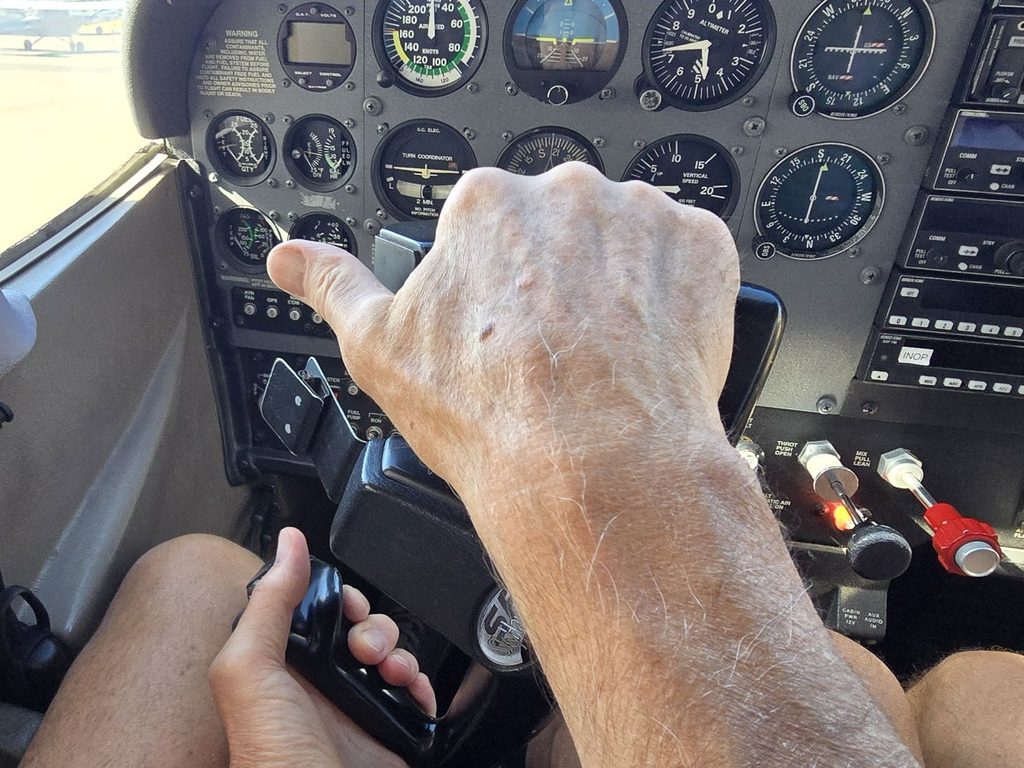
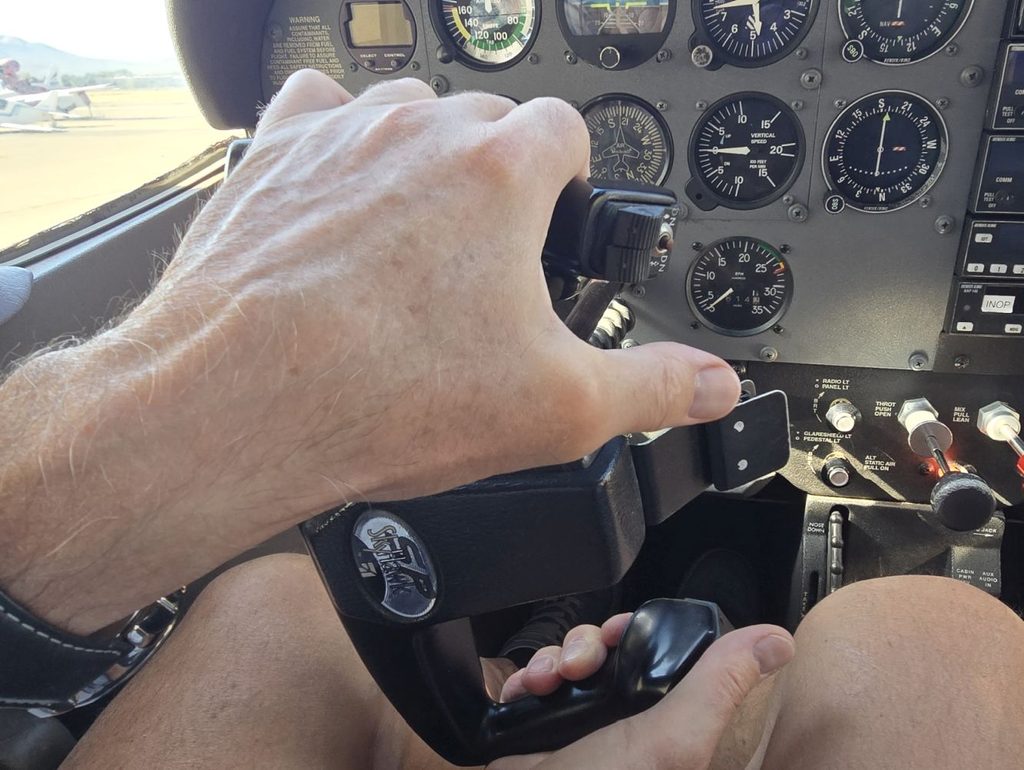
- With the yoke all the way back, now look between the seats and note the elevator should be deflected up.
- While still looking back and the yoke still twisted to the right, slide the yoke forward and watch the elevator deflect down and return the yoke to normal (level) position.
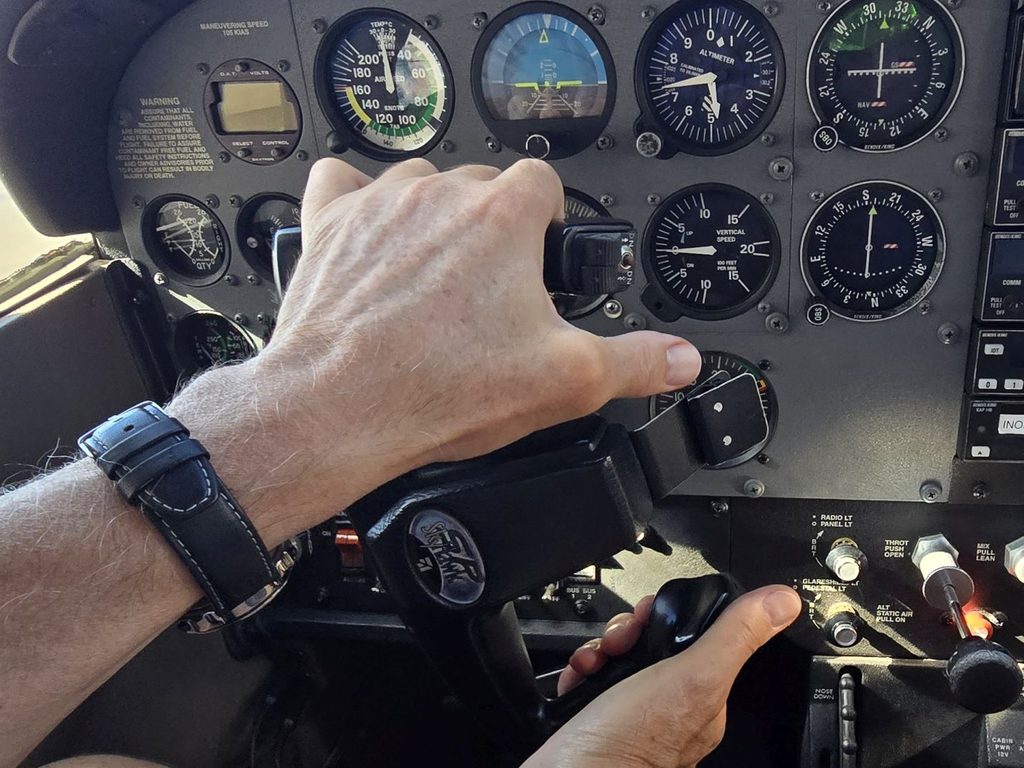
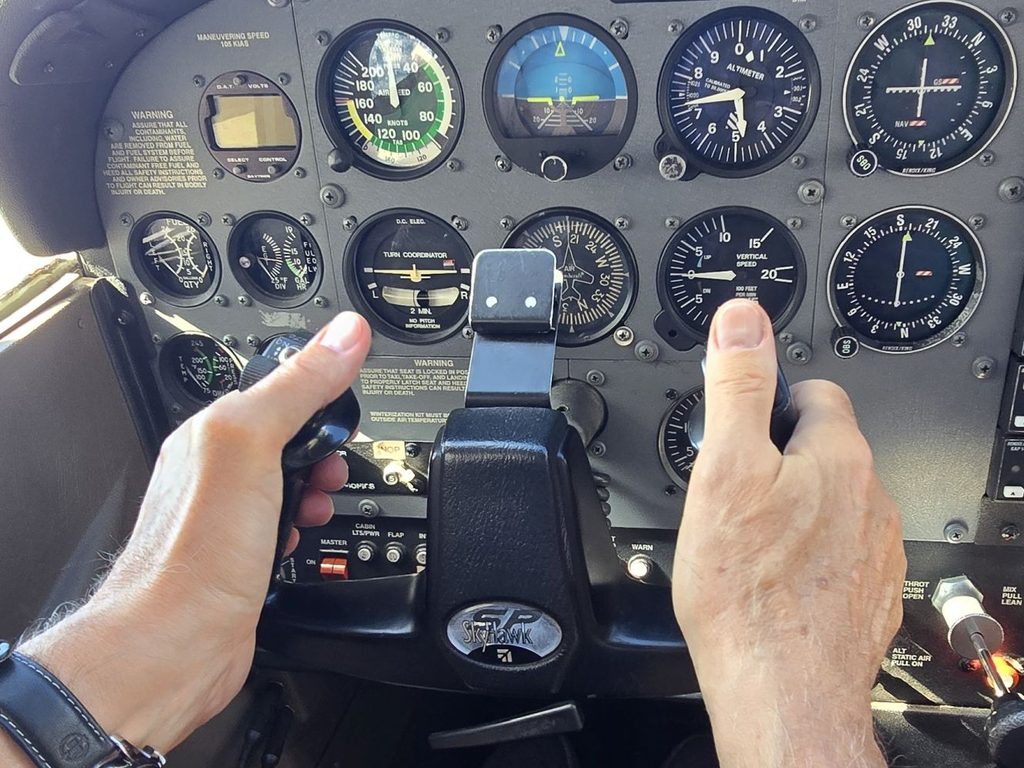
- Still looking to the rear, now work the rudder pedals left and right and the rudder should follow, although it may be hard to see it deflect to the opposite side from your seat.
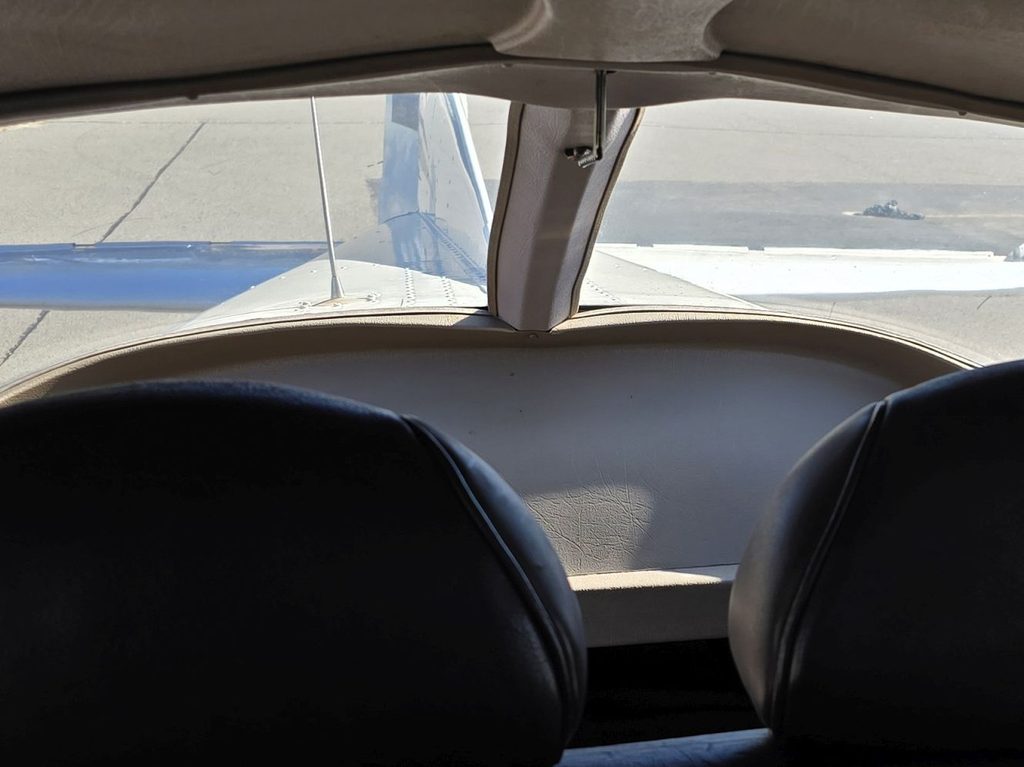
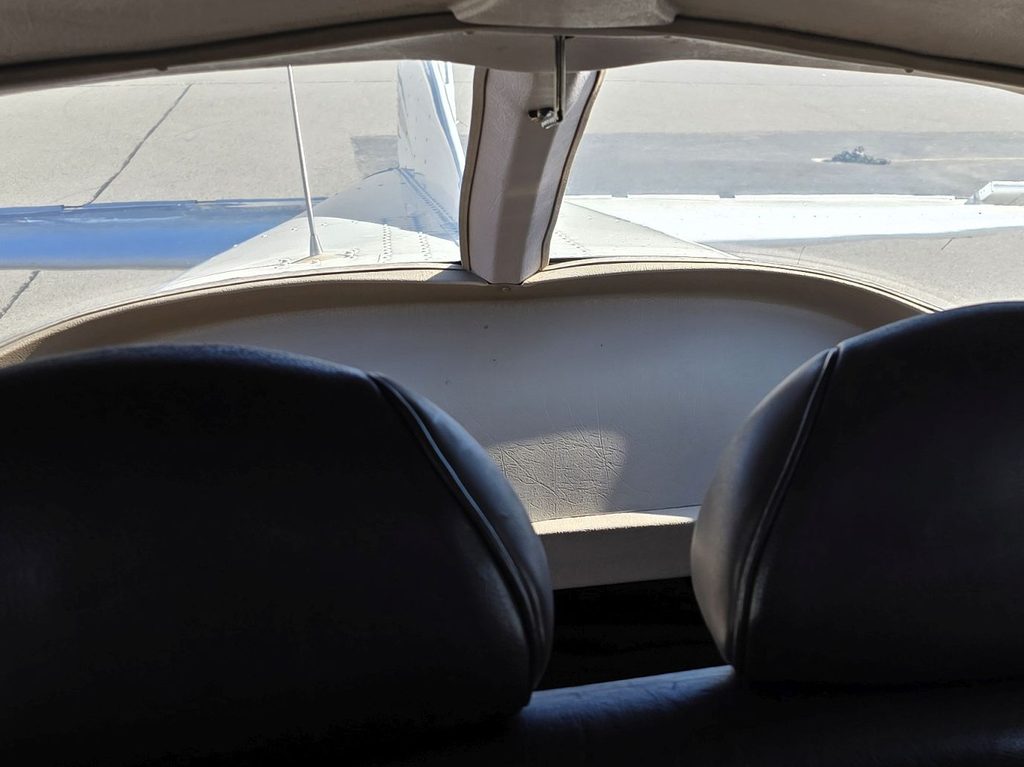
For airplanes with a stick and while using one hand on the stick, the stick points to the ‘up’ aileron.
For airplanes with tandem seating it just requires more effort to rotate around and look behind. Always have a good stretching routine before your flights.
For many low-wing airplanes with no rear window (e.g. Cherokee, Comanche, Arrow, Saratoga, Musketeer, Bonanza, etc.) I will sit in the right seat for this and look to the rear from the open door to see the empennage. Also, since Piper aircraft have their rudders directly connected to the nosewheel making moving the rudder very difficult, I still do the rudder check the same way and will still see the rudder deflect a little in each direction, just not nearly as much as you will with a Cessna, Cirrus, Van’s RV, etc.
it is easy for pilots to just gloss over the check (and many others), especially at a flight school or flying club where the airplane just landed or “flew fine yesterday’. However, just like investing in financial products, “Past Performance Is Not Indicative of Future Results.”
Why is this important? Well, it should be obvious that a failure of any of these would make for a very dramatic flight at best, and a fatal one at worst.
This is especially true for ANY aircraft coming out of maintenance and going on its first ‘return to service’ flight. Mechanics are humans and make mistakes just like pilots make mistakes and if there was a need to work on the rigging there is no guarantee that the cables (which all look alike) were connected perfectly each time. Are you willing to bet your life with certainty that the mechanic didn’t touch any of the control cables when it was in for maintenance?
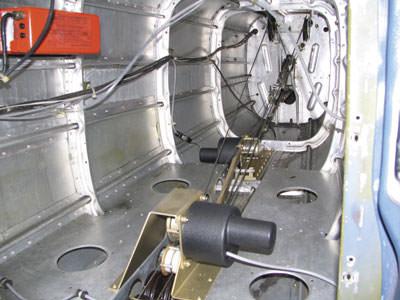
Statistical analysis shows that the flight immediately following flight control maintenance or annual inspections carries the highest probability of encountering a control reversal or disconnect error.
We will likely never know how many potential accidents were avoided by alert pilots performing a good preflight check of the controls, however here are a few reported examples of what can happen if there is problem that isn’t caught:
- On May 2, 2025, a fatal float-equipped De Havilland DHC-2 Beaver crash occurred in Quebec involving a roll control loss. During winter maintenance to repair a crack in the control column, an un-supervised apprentice reinstalled the control chain. The chain was threaded in the opposite direction of the manufacturer’s instructions, completely reversing the aileron response.
- On July 23 of 2017 a Piper Arrow that just had toe brakes installed on the co-pilot side. The pilot stated that, during a preflight inspection of the airplane and just before takeoff, he actuated the controls; however, he did not verify which direction they moved. . During the takeoff sequence, as the airplane became airborne, it immediately entered an uncommanded left roll. The pilot attempted to correct for the roll unsuccessfully, reduced the engine power, impacted the ground and came to rest upright on an adjacent runway.
- On July 2nd of 2014, during an extensive airframe rebuild of a Cessna 172, the upper and lower elevator control cables were attached to opposite locations on the elevator control horn. Pushing forward on the yoke deflected the elevator up (nose-up), while pulling back pitched the nose down. The pilot lost control on takeoff when corrective pitch inputs worsened the airplane’s attitude.
- On May 2018 a non-fatal crash of a Piper PA-28R-180 Arrow’s first flight after maintenance revealed the mechanic personnel’s incorrect installation of the aileron control cables resulted in roll control that was opposite of that commanded by the pilot, and the pilot’s inadequate preflight inspection, during which he did not verify that the aileron movement matched the control yoke input.
- On December 2014, during maintenance on a Cessna T182T, an experienced A&P mechanic reinstalled the elevator trim cables wrapped backward over the trim drum. Shortly after takeoff, the aircraft experienced extreme nose-down pitch forces. Both the pilot and a pilot-rated passenger had to pull back on the control yoke with maximum effort to keep the nose from diving and made a safe emergency landing.
- On July 2nd, 2014 the pilot of a Piper PA-12 airplane was fatally injured after his airplane pitched up steeply during takeoff and crashed. The elevator control cables were installed incorrectly such that the elevator moved in the opposite direction.
- In October 2013, the private pilot and passenger in a Piper PA-22 received serious injuries when the airplane crashed during takeoff on its first flight since an annual inspection. The elevator control cables were installed incorrectly such that the elevator moved in the direction opposite to that commanded.
Done properly, it can take all of 15-20 seconds to complete this check.
It is time well spent.